
Contents
Overview
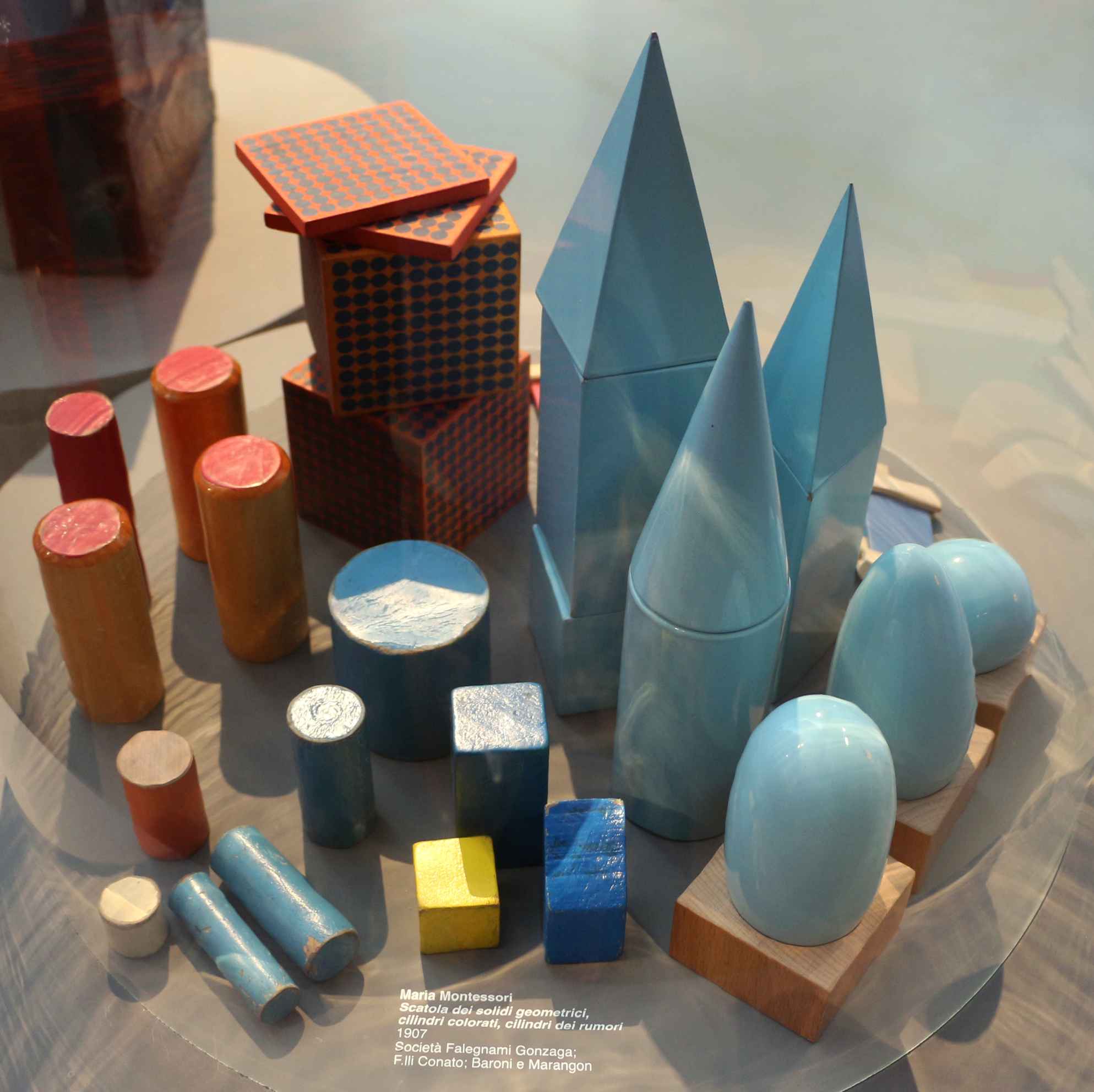
Sensorial materials are designed to help children develop and refine their five senses through hands-on activities and exercises. These materials, which include tactile, visual, auditory, olfactory, and gustatory exercises, are carefully crafted to promote learning. By using sensorial materials, children can explore and understand their environment in a more nuanced and detailed way. The Montessori Association provides training, resources, and support for teachers and parents who want to use sensorial materials in their classrooms and homes.
🎵 Origins & History
The Montessori sensorial materials include the 'pink tower' and 'brown stair'. The pink tower helps children develop their sense of size and scale, while the brown stair helps children develop their sense of texture and weight. According to some sources, the Montessori method emphasizes child-centered learning and individualized instruction.
⚙️ How It Works
Each material has a 'control of error', which allows the child to check their work and identify any mistakes without needing to consult a teacher. The Montessori Association provides a range of resources and training programs for teachers, including workshops, conferences, and online courses, to support the implementation of the Montessori method in diverse educational settings.
📊 Key Facts & Numbers
The use of sensorial materials can help children develop their sense of curiosity and wonder, and can provide a foundation for future learning. However, reportedly, there are some controversies and debates surrounding the use of sensorial materials, with some critics arguing that the Montessori method is too rigid and structured, and that it does not provide enough flexibility and creativity for children.
👥 Key People & Organizations
The Montessori method has been recognized for its effectiveness in promoting learning, but the extent of its impact is uncertain. Some studies suggest that the method can be beneficial for children, but more research is needed to fully understand its effects.
🌍 Cultural Impact & Influence
Sensorial materials have had a significant cultural impact and influence, and have been used in a wide range of educational settings around the world. However, the exact nature and extent of this impact are unclear.
⚡ Current State & Latest Developments
The current state of sensorial materials is one of ongoing development and innovation, with new materials and approaches being developed all the time. The rise of technology has also led to the development of digital sensorial materials, which can provide children with new and innovative ways to explore and learn.
🤔 Controversies & Debates
Despite the potential benefits of sensorial materials, there are also some controversies and debates surrounding their use. Some critics argue that the Montessori method is too focused on individualized instruction, and that it does not provide enough opportunities for socialization and collaboration.
🔮 Future Outlook & Predictions
The future outlook for sensorial materials is uncertain, but it is likely that new materials and approaches will continue to be developed. The rise of technology is likely to play a major role in this development, with digital sensorial materials providing children with new and innovative ways to explore and learn.
💡 Practical Applications
Sensorial materials have a wide range of practical applications, and can be used in a variety of educational settings. They can be used to support children with special needs, and can provide a foundation for future learning.
Key Facts
- Category
- sensory-education
- Type
- topic